
Landhuis Tjimanggis: An 18th-Century House Almost Lost to Depok
In the Cisalak area of Sukmajaya, Depok City, stands a building that has existed since the 18th century. The building is known as Landhuis Tjimanggis, or Rumah Cimanggis. More than two centuries old, it is one of the historic remnants that has survived in the Depok area.
Rumah Cimanggis has undergone various changes in function and condition. Originally, the building was a country retreat located within a plantation area. Throughout its history, it was later used during the Indonesian War of Independence, underwent several changes in function, was abandoned and suffered severe deterioration, and was eventually rehabilitated and preserved as a cultural heritage building.
Built in the 18th Century
The history of Rumah Cimanggis is associated with Petrus Albertus van der Parra, the 29th Governor-General of the VOC. In 1771, land in the Cimanggis area was purchased and subsequently developed as a plantation and retreat area.
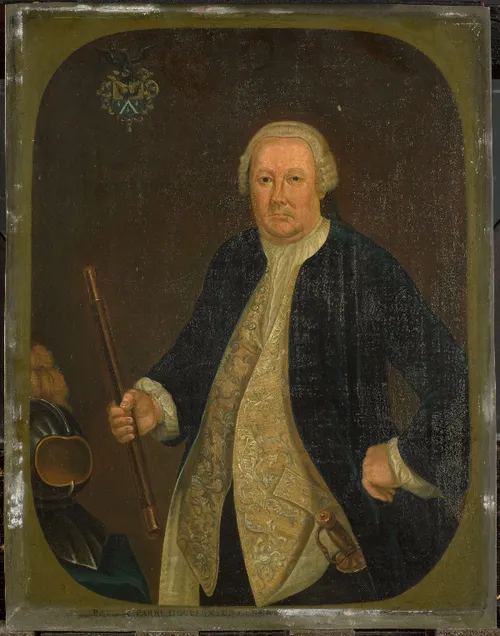
The main building known as Landhuis Tjimanggis was constructed around 1775 to 1778. Several historical sources identify David J. Smith as the figure responsible for constructing the building.
The house was built for Adriana Johanna Bake, Van der Parra’s wife. However, Johanna Bake did not make Cimanggis her primary residence. The building primarily served as a country retreat outside Batavia and was visited at certain times.
At the time, the construction of landhuizen outside Batavia was part of the development of the city’s outskirts. Large houses of this kind were usually situated on extensive estates that were also used for plantations, gardens, or agricultural activities.
Why Were Country Retreats Built Outside Batavia?
During the 18th century, areas outside central Batavia began developing as residential and retreat areas for the wealthy. The more open and greener environment outside the city was one of the factors that encouraged the development of these areas.
Batavia was a center of trade and government at the time, but it also faced various environmental and health problems. As a result, areas outside the city became an alternative location for building country retreats.
Cimanggis was one of the areas that developed within this pattern. The main house was usually situated in the middle of a large estate, while plantations, fruit gardens, and other facilities surrounded it.
Landhuis Tjimanggis became part of this type of landscape.
Architecture Adapted to the Tropical Climate
Rumah Cimanggis features architectural characteristics that reflect European influences while also adapting to the tropical climate. The building is known for its high roof, spacious rooms, and large doors and windows.
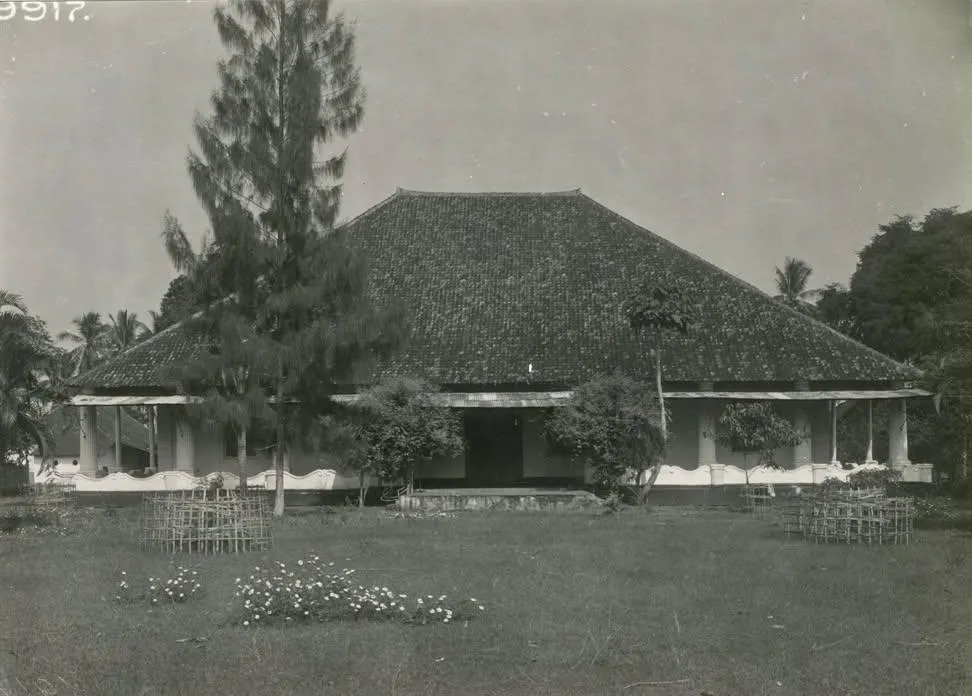
The large openings helped create airflow throughout the building. This characteristic became one of the important features of colonial architecture that developed in tropical regions.
Some sources also mention English and French influences in the architecture of Rumah Cimanggis. The building demonstrates how European architectural concepts were adapted when applied to the environment of Java.
Changing Hands and Surviving an Earthquake
After its early period of ownership, Rumah Cimanggis changed hands several times. The building and its plantation estate were transferred to different owners as economic and political conditions changed during the colonial period.
In 1834, a major earthquake struck the area around Batavia and the southern parts of the city. Several historical sources record that Rumah Cimanggis was also damaged by the event.
The building nevertheless survived and continued to be used into the following period.
Used During the Indonesian War of Independence
During the Indonesian War of Independence, Rumah Cimanggis was reportedly used by Dutch troops. The building, which had previously served as a country retreat, subsequently became part of military activities during the conflict.
Several historical accounts also associate Rumah Cimanggis with visits by important figures during this period. Information about these events mainly comes from secondary sources, so the details should be understood within the context of local historical records.
After this period ended, the Rumah Cimanggis area entered a new phase of use in independent Indonesia.
Undergoing Changes in Function
Entering the second half of the 20th century, the function of Rumah Cimanggis changed again. The area surrounding the building began to be used for various purposes, while the main house was no longer used as a country retreat as it had been when it was first built.
The environment around Rumah Cimanggis also changed. Activities in the area continued to expand, and parts of the land were used for residential purposes. Over time, the old building was used less frequently and its maintenance was no longer carried out as it had been before.
Abandoned and Falling into Disrepair
Around 2002–2003, Rumah Cimanggis began to be vacated as the condition of the building deteriorated. After it was no longer used, deterioration continued to affect various parts of the structure.
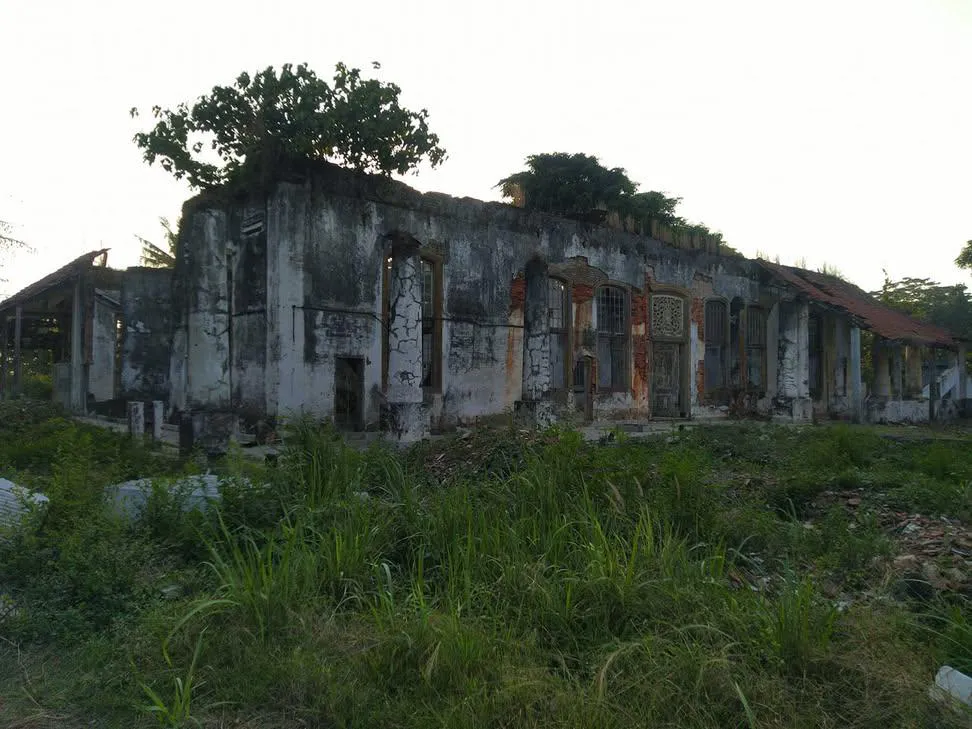
The roof suffered serious damage and eventually collapsed in stages. Several historical accounts state that the deterioration took place from around 2012 through 2017–2018.
The walls were also damaged by moisture, moss, and fallen trees. During this period, the original form of Rumah Cimanggis became increasingly difficult to recognize.
The building, which had survived for more than two centuries, was eventually left in a severely deteriorated condition.
Almost Lost Amid the Transformation of the Area
By the mid-2010s, the area where Rumah Cimanggis stood began undergoing major changes. The development of the area raised concerns about the survival of the historic building, which had stood there since the 18th century.
Members of the local community and heritage advocates subsequently pushed for Rumah Cimanggis to be preserved. Efforts to save the building took various forms, including campaigns and the dissemination of information about its historical significance.
In subsequent developments, Rumah Cimanggis was preserved and not demolished. In 2018, the building was granted cultural heritage status.
This designation became an important part of efforts to preserve Rumah Cimanggis amid the transformation of the surrounding area.
Designated as Cultural Heritage
On September 24, 2018, Rumah Cimanggis was designated as a protected building through Decree No. 593/289/Kpts/Disporyata/Huk/2018.
The designation provided a legal basis for protecting the building and became part of efforts to preserve historical heritage in Depok City.
Rumah Cimanggis was subsequently preserved within the campus area of the Universitas Islam Internasional Indonesia, or UIII.
Rehabilitated
After receiving protection, the next stage was to improve the physical condition of the building. The rehabilitation process began in September 2020.
The restoration was carried out using a cultural heritage conservation approach, taking into consideration the building’s historic form and character.
The rehabilitation included repairs to various parts of the building and the restoration of its architectural form based on historical conditions used as references. By 2021, the rehabilitation process had been completed, and the building once again stood in significantly better condition.
At the time, its planned use included serving as a gallery within the UIII campus. The idea of turning it into a museum had also emerged in various discussions about the building’s future.
Rumah Cimanggis in Depok Today
The environment surrounding Rumah Cimanggis has changed dramatically compared with the conditions when the building was first constructed. The plantations and open land that once surrounded it have now become part of an urban and educational area.
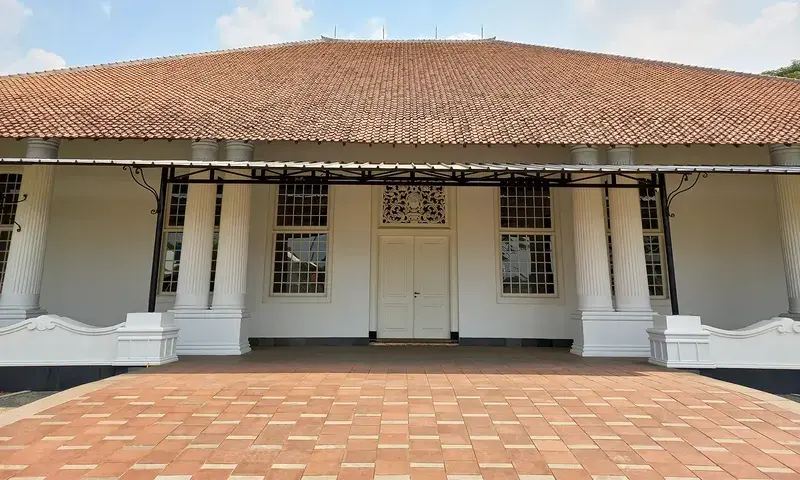
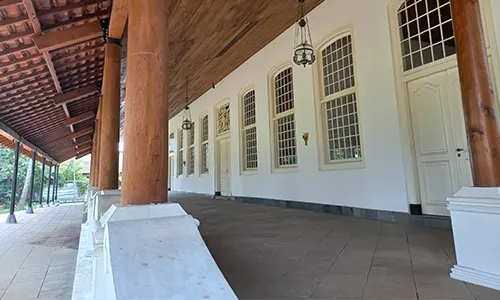
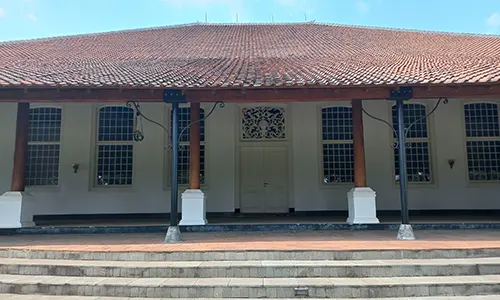
The building itself has undergone rehabilitation and once again displays a more complete architectural form. It continues to be preserved within the UIII campus as part of Depok’s historical heritage.
Rumah Cimanggis is also part of the historical record of the development of the area south of Batavia. The building demonstrates how areas outside central Batavia developed into plantation and retreat areas, and later changed in response to political, social, and urban developments.
From Landhuis to Cultural Heritage
The story of Rumah Cimanggis spans more than two centuries. The building began as a country retreat during the VOC period, then went through changes in ownership, natural disasters, wartime, changes in function, and a long period of abandonment and deterioration.
In the modern period, its existence once again faced threats as the surrounding area changed in function. Its designation as cultural heritage subsequently provided protection for the building.
The rehabilitation that followed allowed Rumah Cimanggis to stand again in better condition.
Today, Landhuis Tjimanggis remains one of Depok’s historic remnants dating back to the 18th century. The building forms part of a historical layer connecting present-day Depok with the development of the areas surrounding Batavia more than two hundred years ago.
Sources
ANTARA. (2021, May 19). Kementerian PUPR rehabilitasi Rumah Cimanggis bersejarah di kampus UIII. ANTARA News. https://www.antaranews.com/berita/2147226/kementerian-pupr-rehabilitasi-rumah-cimanggis-bersejarah-kampus-uiii
Bhawono, A. (2018, July 17). Ornamen Rumah Cimanggis diserahkan ke Badan Cagar Budaya. detikNews. https://news.detik.com/read/2018/07/17/165659/4119466/10/ornamen-rumah-cimanggis-diserahkan-ke-badan-cagar-budaya
Dinillah, M. (2018, February 24). Disparbud Jabar usul Rumah Cimanggis jadi situs cagar budaya Depok. detikNews. https://news.detik.com/berita/d-3883326/disparbud-jabar-usul-rumah-cimanggis-jadi-situs-cagar-budaya-depok
Fauzian, R. (2021, December 13). Direvitalisasi, begini kondisi Rumah Cimanggis di Depok. Medcom.id. https://www.medcom.id/properti/news-properti/GbmaW8Lb-direvitalisasi-begini-kondisi-rumah-cimanggis-di-depok
Kementerian Pendidikan Dasar dan Menengah Republik Indonesia. (n.d.). Gedung Tinggi Rumah Cimanggis. Referensi Data Kebudayaan. Retrieved August 11, 2026, from https://referensi.data.kemendikdasmen.go.id/budayakita/cagarbudaya/objek/KB003153
Nurdiarsih, F. (2018, October 1). Rumah Cimanggis sah menjadi cagar budaya Depok, aktivis minta dijadikan museum. Liputan6.com. https://www.liputan6.com/regional/read/3655675/rumah-cimanggis-sah-menjadi-cagar-budaya-depok-aktivis-minta-dijadikan-museum
Tirto.id. (2018). Tanggapan JJ Rizal soal Rumah Cimanggis Depok dan pembangunan UIII. https://tirto.id/tanggapan-jj-rizal-soal-rumah-cimanggis-depok-dan-pembangunan-uiii-cDvt
Universitas Indonesia. (n.d.). Kajian konservasi Rumah Cimanggis dalam historical urban landscape. Perpustakaan Universitas Indonesia. https://lib.ui.ac.id/detail?id=20494625&lokasi=lokal
