
Today, when you hear the name Pondok Gede, you might picture busy roads, residential neighborhoods, shopping centers, or the constant activity of people moving between Jakarta and Bekasi.
However, long before all of this existed, the area was home to a grand building that stood out so prominently that its name is believed to have become the origin of the name Pondok Gede.
The building was known as Landhuis Pondok Gede.
Its location was roughly where Plaza Pondok Gede stands today. The grand residence has long disappeared. In 1992, the building was demolished, and the land was subsequently developed into a modern shopping center.
From “The Big Pondok” to Pondok Gede
According to various historical sources cited by the media, Landhuis Pondok Gede was built around 1775 and is associated with a Dutch clergyman named Johannes Hooyman.
The building had a distinctive character. Its two-story front section featured Dutch architectural
lements, while other parts incorporated open spaces and verandas that reflected influences from traditional Javanese architecture. This combination was characteristic of large country residences, or landhuizen, in the Dutch East Indies.
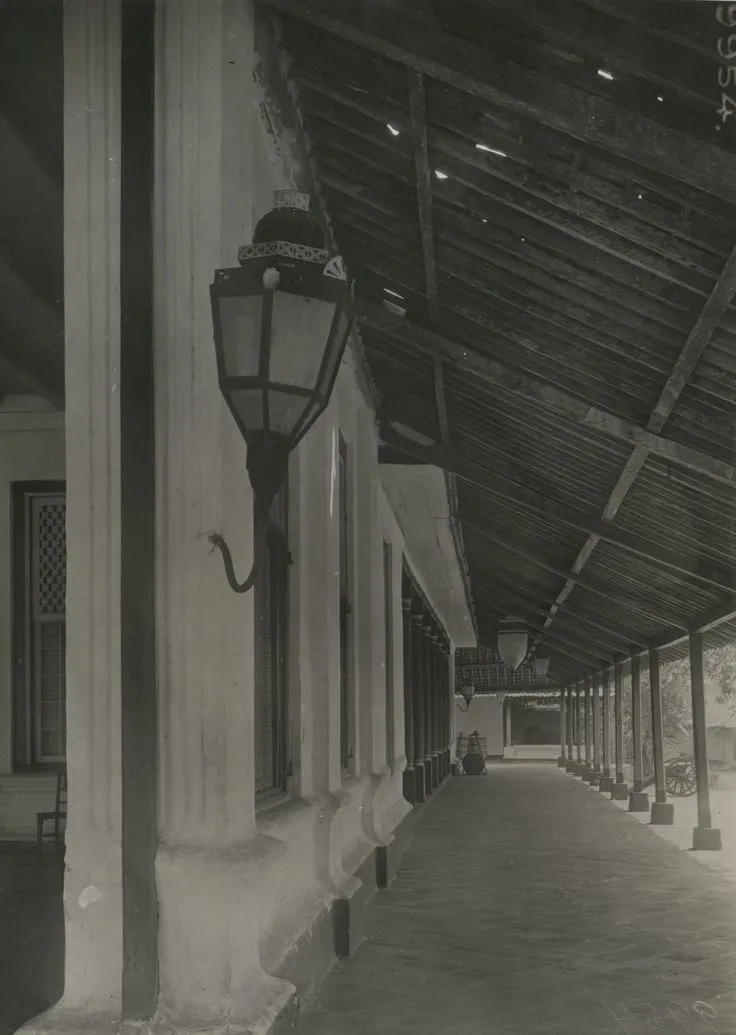
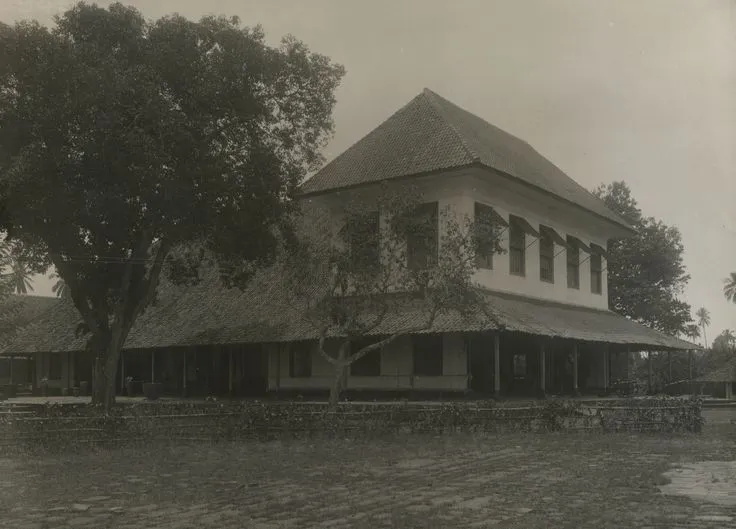
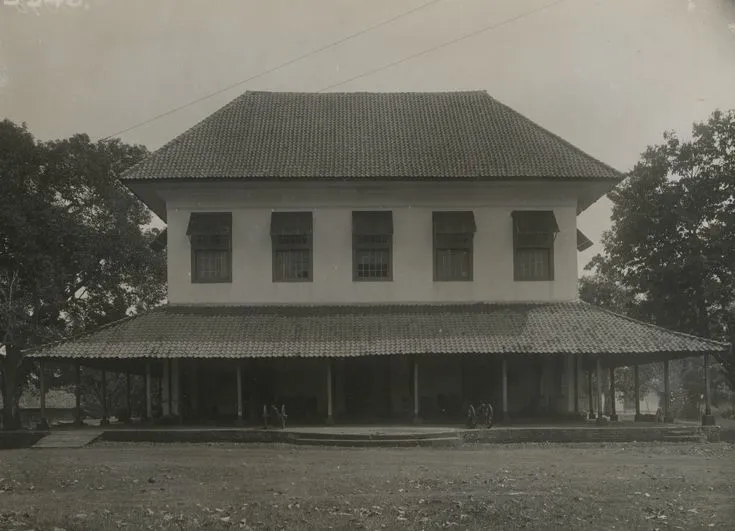
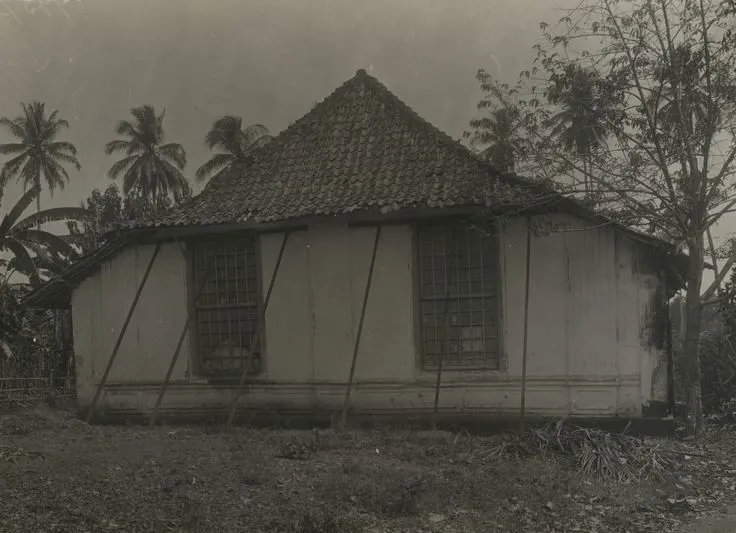
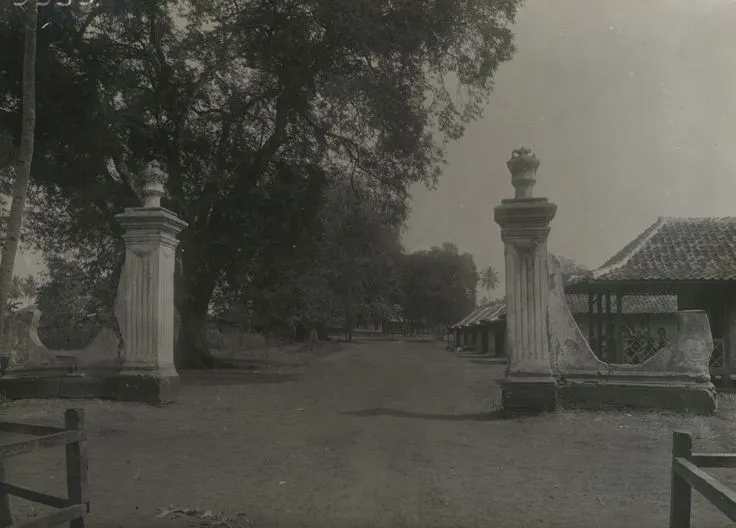
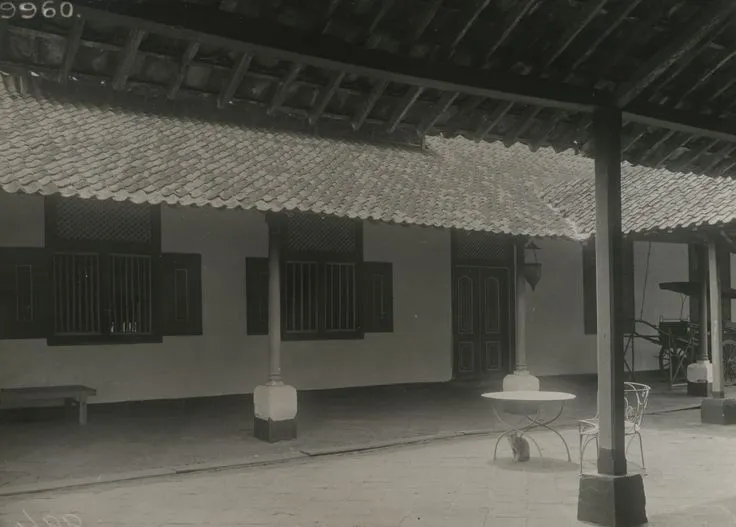
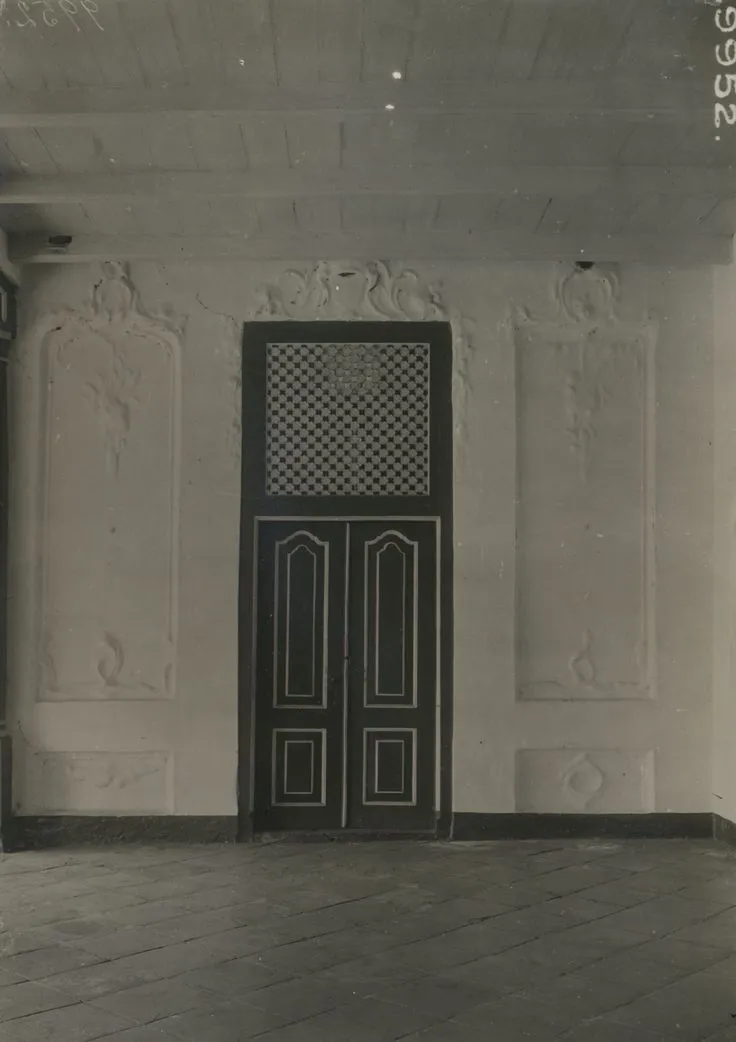
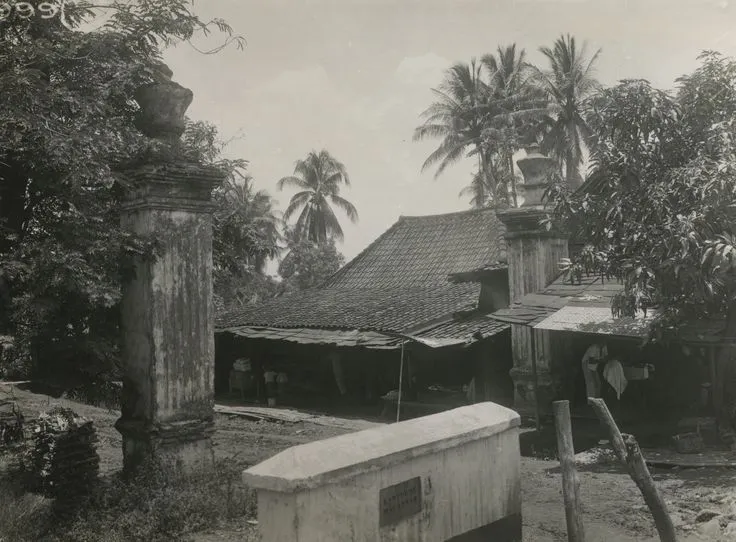
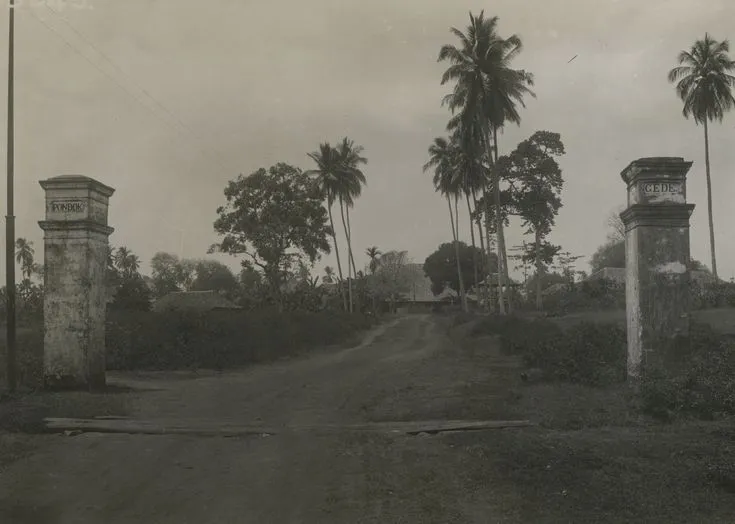
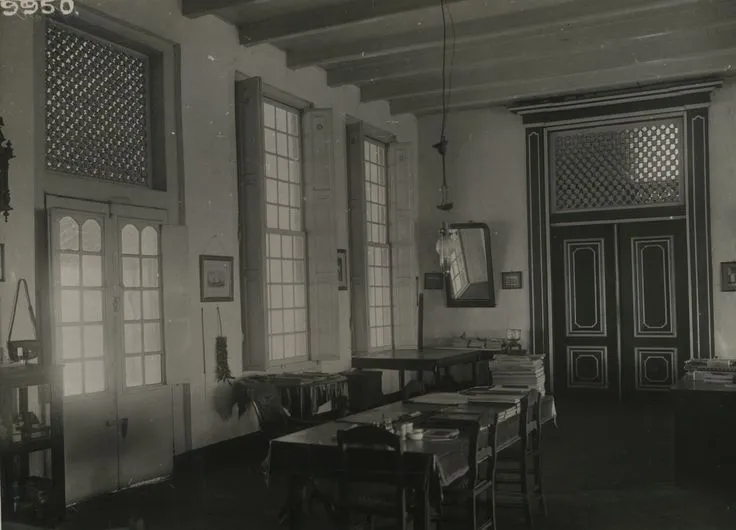
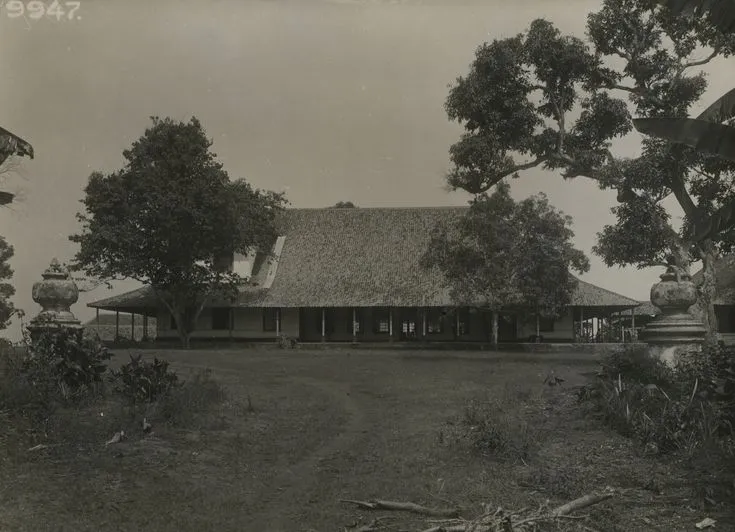
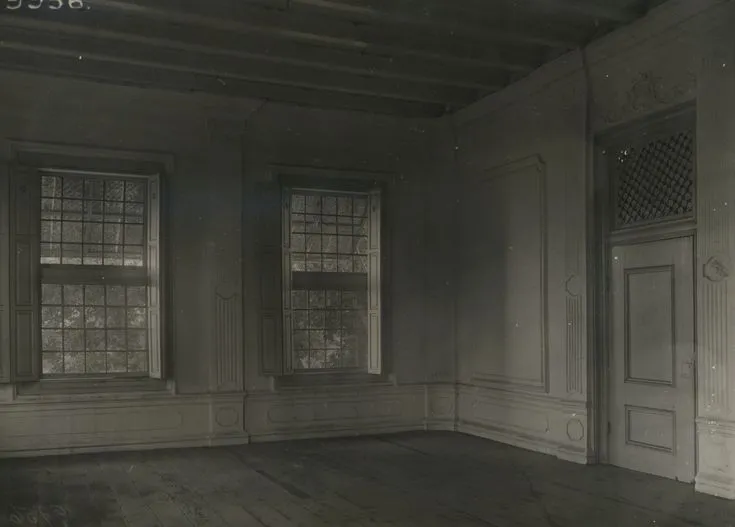
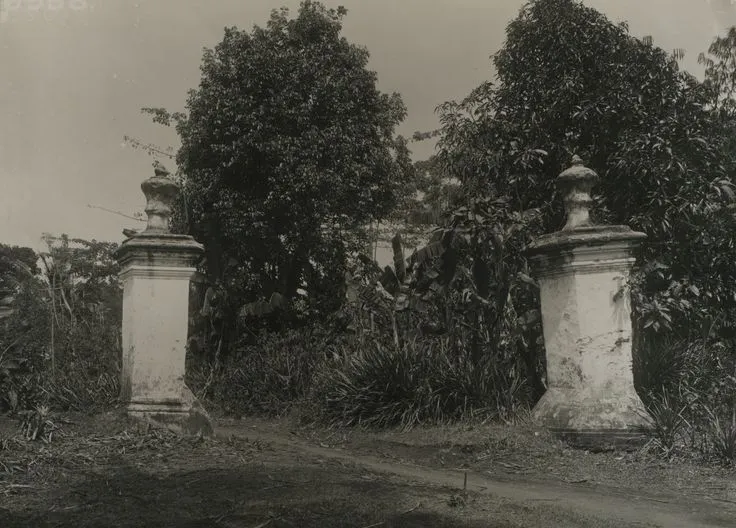
Its considerable size eventually became an important part of the story behind its name.
Local residents are said to have referred to it as “pondok yang gede”—literally, “the big pondok,” referring to a large house or residence. Over time, the expression became associated with the name “Pondok Gede.”
As a result, the name now used by a district, roads, residential areas, and various facilities in the surrounding area is believed to have a connection to a building that has long since disappeared.
Leendert Miero and the Transformation of a Landhuis
The history of Landhuis Pondok Gede is also connected to a figure named Leendert Miero, who was also known as Juda Leo Ezekiel.
Miero arrived in Batavia in the 18th century in circumstances far removed from the life of a wealthy merchant. Some sources state that he arrived in 1775 and initially concealed his Jewish identity during his early years in Batavia. The story of Miero’s identity and life journey forms an interesting part of the history of the Jewish community in Batavia.
Over time, his economic circumstances changed dramatically. He eventually became known as a merchant and businessman who accumulated considerable wealth in Batavia.
In 1800, Miero acquired Landhuis Pondok Gede along with the extensive land surrounding it. The building, which had originally used a wooden structure, was subsequently altered and renovated, giving it a more substantial appearance with characteristics of Indies architecture.
The area associated with the estate was also remarkably large. An archaeological survey conducted in January 1988 recorded the landhuis area as covering approximately 325 hectares. The land had previously been used, among other purposes, for lemongrass plantations before undergoing various changes in function and ownership over time.
A Grave on the Landhuis Estate
Miero lived at Landhuis Pondok Gede until his death on May 10, 1834. He was subsequently buried in the vicinity of his residence.
This is where the story of Landhuis Pondok Gede becomes even more intriguing.
As the building and surrounding area underwent various changes in the following centuries, Miero’s grave did not survive either. Various accounts of Pondok Gede’s history state that the grave was eventually dismantled and that its gravestone could no longer be found.
However, this part of the story should be approached with caution. Not every detail concerning when the grave was dismantled, who dismantled it, and exactly how the gravestone disappeared is supported by equally strong historical documentation. It is therefore more appropriate to regard this as part of the historical narrative found in popular sources, rather than as a mystery for which all the answers are known.
From Plantation Land to Plaza Pondok Gede
Following Miero’s era, ownership and the function of the area changed again. The land that had previously been associated with plantations subsequently passed through the hands of several parties.
Toward the end of the 20th century, attention once again turned to the surviving historic building.
In 1988, an archaeological survey was conducted in the Landhuis Pondok Gede area. This meant that even as Jakarta and its surrounding areas were undergoing rapid development, there were still efforts to document this historical heritage.
But the building ultimately did not survive.
In 1992, Landhuis Pondok Gede was demolished. The land was subsequently developed into the modern shopping center now known as Plaza Pondok Gede.
A Lost History, a Name That Remains
There is something particularly interesting about this story.
The building is gone.
The plantation landscape has changed.
The grave that once stood somewhere on the estate is no longer visible.
Yet the name Pondok Gede continues to live on and is used every day by thousands of people.
This is one of the things that makes urban history so fascinating. A place does not always leave behind buildings or artifacts that we can still see. Sometimes, all that remains is a name.
When someone says, “Let’s meet in Pondok Gede,” today, few may realize that the name is believed to be connected to a grand residence dating back to the 18th century.
On the site now filled with modern buildings, a landhuis once stood as an important landmark of the area.
And perhaps, precisely because the building is gone, its story is even more worth remembering.
Bibliography
De Vrijdagavond: Joodsch Weekblad. (1932, July 29). De Vrijdagavond: Joodsch Weekblad (Jaargang 9). Delpher, Koninklijke Bibliotheek. https://www.delpher.nl/
Good News From Indonesia. (2022, June 26). Memori Landhuis Pondok Gede, rumah mewah yang kini telah lenyap. https://www.goodnewsfromindonesia.id/2022/06/26/memori-landhuis-pondok-gede-rumah-mewah-yang-kini-telah-lenyap
Heuken, A. (n.d.). Tempat-tempat bersejarah di Jakarta. Cipta Loka Caraka.
JatimTimes. (2024, December 1). Landhuis Pondok Gedeh: Jejak sejarah yang terkubur beton. https://jatimtimes.com/baca/326533/20241201/111600/landhuis-pondok-gedeh-jejak-sejarah-yang-terkubur-beton
Juru Kunci 2000. (n.d.). Landhuis Pondok Gede [Pinterest board]. Pinterest. https://www.pinterest.com/jurukunci2000/
SejarahJakarta.com. (2019, May 9). Mengenang Landhuis Pondok Gede. https://sejarahjakarta.com/2019/05/09/mengenang-landhuis-pondok-gede/
SINDOnews. (2022, February 12). Asal-usul nama Pondok Gede yang diambil dari rumah besar milik pendeta Belanda. https://daerah.sindonews.com/read/683675/173/asal-usul-nama-pondok-gede-yang-diambil-dari-rumah-besar-milik-pendeta-belanda-1644591748
Van Imhoff, G. B. (1746, February 1). Resolusi Gubernur Jenderal Gustaaf Baron van Imhoff [Dokumen arsip kolonial].
Wikipedia contributors. (2026). Museum Rumah Pondokgede. Wikipedia Bahasa Indonesia. https://id.wikipedia.org/wiki/Museum_Rumah_Pondokgede

